SlumberPod: The Blackout Tent That Saved Our Vacation
The Elusive Dream of Travel Sleep: Reclaiming Nights Away from Home
As a pediatric specialist and a parent myself, I've had countless conversations with families grappling with the unique challenges of travel. The excitement of a new destination often comes with an unspoken dread: how will the baby sleep? For many parents, the reality of sharing a hotel room with an infant or toddler quickly translates into silent evenings spent huddled in the dark, whispering, or even retreating to the bathroom just to read a book. The notion of enjoying an evening meal, watching a movie, or simply having a quiet conversation with your partner after your little one is asleep often feels like an impossible luxury.
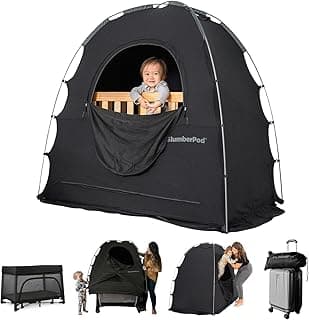
SlumberPod 3.0 Portable Blackout Privacy Pod
The SlumberPod is a genius travel accessory that creates a pitch-black sleep environment over any standard pack-n-play or mini crib. When you're staying in hotels, at grandparents', or camping, it recreates the exact dark nursery environment your baby is used to — often saving the entire vacation.
This parental predicament is deeply rooted in the fundamental needs of a developing child. Infants and toddlers thrive on routine and consistency, especially when it comes to sleep. A new environment, unfamiliar sounds, and most significantly, the presence of light can throw their delicate sleep architecture completely off balance. The result? Overtired babies, grumpy toddlers, and utterly exhausted parents, turning what should be a relaxing getaway into a test of endurance. But what if there was a way to create a consistent, dark, and private sleep sanctuary for your child, no matter where your travels take you?
The Science of Sleep: Why Darkness Matters for Developing Minds
To truly understand the value of a product like the SlumberPod, we must first appreciate the profound importance of sleep for our children's development. Sleep isn't just "downtime"; it's a period of intense physiological activity crucial for growth, learning, and emotional regulation.
Circadian Rhythms and Melatonin: Humans, even infants, operate on an internal 24-hour clock known as the circadian rhythm. This rhythm is heavily influenced by light and darkness. When light hits the retina, it signals the brain to suppress the production of melatonin, the hormone responsible for inducing sleepiness. Conversely, as darkness falls, melatonin levels naturally rise, preparing the body for sleep. For a baby sharing a room where lights are on, even dim ones, this natural process can be disrupted, delaying sleep onset and impacting sleep quality. Consistent darkness is paramount for establishing and maintaining a healthy circadian rhythm.
Brain Development and Cognitive Function: During sleep, particularly REM sleep, the brain is actively consolidating memories, processing new information, and forming crucial neural connections. Adequate, uninterrupted sleep is directly linked to better cognitive function, attention span, problem-solving skills, and even language acquisition in children. Sleep deprivation, even minor, can manifest as irritability, difficulty focusing, and reduced capacity for learning.
Emotional Regulation and Mood: A well-rested child is generally a happier, more adaptable child. Sleep plays a vital role in regulating emotions. When children are overtired, their ability to cope with frustration, manage impulses, and engage positively with their environment is significantly diminished. This often leads to increased tantrums, meltdowns, and general fussiness, which can be amplified in the already stimulating environment of travel.
Immune System Support: Sleep is also critical for a robust immune system. While children sleep, their bodies produce proteins called cytokines that are essential for fighting off infection and inflammation. Consistent, quality sleep helps children stay healthy, especially important when they are exposed to new germs and environments during travel.
Given these fundamental principles, the need for a truly dark and consistent sleep environment becomes not just a convenience but a developmental imperative.
The Parental Predicament: Reclaiming Evening Hours on Vacation
Let's face it: travel, even with the best intentions, can be stressful. Adding a baby or toddler to the mix magnifies every challenge. The core problem for co-rooming parents is the inherent conflict between a child's need for a dark, quiet sleep space and the parents' desire for their own evening downtime.
- The "Lights Out" Dilemma: From 7 PM onwards, many parents find themselves in a self-imposed "lights out" prison. Reading, watching TV, even talking above a whisper becomes impossible. This sacrifice, while made with love, can lead to significant parental frustration and resentment, especially on a much-anticipated vacation.
- Confined Spaces: Hotel rooms, vacation rentals, or even grandparent's spare rooms rarely offer a separate bedroom for infants. The child's crib or playard is typically just feet away from the parents' bed. Any light, movement, or sound can disturb a light sleeper, leading to premature wake-ups or difficulty settling.
- Disrupted Routines, Disrupted Relaxation: The effort to maintain a semblance of routine in an unfamiliar place is exhausting. When the evening also becomes a silent vigil, parents miss out on the very relaxation and rejuvenation that a vacation is supposed to provide. This leads to further fatigue, making it harder to be present and patient with their children the next day.
This is precisely where innovative, high-quality products step in to bridge the gap between ideal developmental conditions and the realities of modern family travel. Investing in well-designed sleep aids is not a luxury; it's an investment in your child's well-being and your own sanity.
Enter the SlumberPod: A Sanctuary for Sleep
The SlumberPod offers a revolutionary solution to this pervasive problem. Imagine a bottomless blackout tent, meticulously designed to fit snugly over a standard playard or mini-crib. Its purpose is simple yet profoundly impactful: to create a completely private, dark, and consistent sleep nook for your child, even in a brightly lit room.
This ingenious design means that once your little one is tucked inside their familiar sleep space, you are free to turn on the lights, watch TV, order room service, chat with your partner, or simply enjoy some much-needed adult quiet time. It eliminates the need for makeshift blanket forts or bathroom retreats, restoring a sense of normalcy and privacy to your evenings away from home.
Dissecting the Design: Features That Truly Make a Difference
The brilliance of the SlumberPod lies not just in its concept, but in the thoughtful execution of its design. Every feature has been considered with both child safety and parental convenience in mind.
Strategic Ventilation & Airflow: A Breath of Fresh Air
Safety is, without question, the top priority for any sleep product designed for infants and toddlers. The SlumberPod addresses this with a multi-pronged approach to ventilation:
- Breathable Blackout Fabric: While achieving complete darkness, the fabric itself is designed to be breathable. This is crucial for preventing heat buildup and ensuring adequate airflow within the enclosed space.
- Integrated Ventilation Flaps: The SlumberPod incorporates several zippered ventilation flaps. These can be opened to allow for cross-ventilation, ensuring that fresh air circulates continuously. This feature is vital for maintaining a comfortable temperature inside the pod and mitigating any concerns about trapped air, especially in warmer climates.
- The Dedicated Fan Pocket: This is a truly genius addition. A discreet pocket is built into the top of the SlumberPod, perfectly sized to hold a small, clip-on fan (sold separately). This not only enhances airflow for your child's comfort but also provides a gentle white noise, which can further aid sleep by masking unfamiliar sounds in the hotel room. White noise is a scientifically proven tool to help babies fall and stay asleep by mimicking the sounds they heard in the womb and blocking out environmental distractions.
Expert Tip: Always ensure adequate ventilation by utilizing the flaps. If using a fan, position it carefully to ensure indirect airflow and never place anything directly on your child. Regularly check your child's temperature by feeling their chest or back to ensure they are not overheating.
The Monitor Pocket: Peace of Mind in a Pouch
For many parents, the baby monitor is a non-negotiable part of their sleep routine, offering peace of mind and the ability to check on their child without disturbing them. The SlumberPod features a transparent, touch-sensitive monitor pocket strategically placed on the exterior of the tent.
- Optimal Placement and Safety: Positioning the monitor outside the sleep space is critical for safety, preventing any risk of cords or devices becoming entanglement hazards for the child.
- Clear View and Signal Integrity: The clear pocket allows for an unobstructed view of your child via the monitor's camera, ensuring you can see them clearly. It also helps maintain signal integrity, as the monitor isn't buried deep within the fabric.
- Parental Reassurance: This simple feature ensures that parents can maintain their established monitoring habits, providing the reassurance needed to truly relax and enjoy their evening.
The "Room Within a Room" Concept: Consistency in Chaos
This is perhaps the most profound benefit for both child and parent. The SlumberPod effectively creates a distinct, dark "room" for your child within your shared space.
- Consistency for the Child: Children thrive on predictability. The consistent darkness and contained environment of the SlumberPod, regardless of whether it's in a hotel room, a relative's house, or even a brightly lit living room, signals to your child that it's time for sleep. This familiarity helps maintain their routine and encourages better sleep quality, even amidst the novelty of travel.
- Freedom for the Parents: No more tiptoeing around! Parents can turn on lights, watch TV, read, or have a conversation without fear of disturbing their sleeping child. This ability to reclaim evenings vastly improves the overall travel experience, reduces parental stress, and enhances relationship satisfaction.
Robust Construction & Portability
The practicality of a travel product is as important as its functionality.
- Camping Tent-Like Setup: The SlumberPod utilizes a lightweight, sturdy pole system, similar to a small camping tent. This design ensures stability and durability. While it requires a few minutes to set up initially, the process is intuitive and becomes quicker with practice.
- Compact Storage: Despite its robust structure, the SlumberPod packs down neatly into a compact carrying bag, making it easy to stow in a suitcase or car. This portability is key for families on the go.
- Durability: Made with high-quality materials, the SlumberPod is designed to withstand repeated use and travel, proving to be a wise long-term investment.
Universal Compatibility
One of the SlumberPod's strengths is its versatility. It's designed to fit over a wide range of popular portable playards (like Pack 'n Plays) and mini-cribs. This broad compatibility means parents don't need to worry about purchasing a specific type of crib for travel; their existing equipment will likely work seamlessly with the SlumberPod.
Beyond the Specs: The Transformative Impact on Travel
The real parent review: "We put this up in a brightly lit hotel room. He slept 12 hours. We ordered room service and watched TV." This short anecdote encapsulates the profound impact of the SlumberPod. It's not just about a product; it's about the transformation of a travel experience.
- The Gift of Sleep (for Everyone): A child who sleeps 12 hours in an unfamiliar environment is a huge win. It means a well-rested child, ready to explore and enjoy the next day's adventures, minimizing fussiness and maximizing fun. More importantly, it means parents also get uninterrupted sleep, which is priceless.
- Enhanced Family Dynamics: When parents are rested and less stressed, they are more patient, present, and able to truly connect with their children. The evenings become a source of relaxation, rather than a source of tension, setting a positive tone for the entire trip.
- Genuine Vacation Enjoyment: The ability to enjoy adult activities – even something as simple as room service and a movie – after the kids are asleep turns a potentially challenging trip into a genuine vacation. It allows parents to recharge, reconnect, and create cherished memories beyond just managing logistics.
- Investment in Well-being: For families who prioritize sleep, the SlumberPod isn't just a gadget; it's an investment in their family's collective well-being and the success of their travels.
Expert Insights & Parent-to-Parent Tips for Travel Sleep Success
While the SlumberPod is a powerful tool, combining it with effective parenting strategies can maximize travel sleep success.
Preparation is Key
- Practice at Home: Before your trip, set up the SlumberPod a few times at home. Have your child do a few naps or even a full night's sleep in it. This familiarization can significantly ease the transition when you're on the road.
- Pack Familiar Items: Bring your child's favorite lovey, blanket, pajamas, or any other comfort items from home. Familiar scents and textures provide a sense of security in a new environment.
- Maintain Routine Where Possible: While some flexibility is necessary, try to stick to your child's regular pre-bedtime routine as much as possible. A warm bath, a book, a lullaby – these familiar cues signal that sleep is coming, regardless of the location.
- White Noise Machine: In addition to a fan in the SlumberPod, a dedicated white noise machine can further mask unfamiliar hotel noises (hallway chatter, plumbing, traffic) and create a consistent sound environment.
Managing Time Zone Changes
- Gradual Adjustment: For significant time differences, try to adjust your child's sleep schedule gradually in the days leading up to your trip. Shift bedtime and wake-up times by 15-30 minutes each day.
- Embrace Natural Light: Upon arrival, expose your child to natural light during the day to help reset their internal clock. Conversely, use the SlumberPod to ensure complete darkness during sleep periods.
- Flexibility with Naps: Don't stress too much about nap perfection on travel days. Prioritize nighttime sleep, and allow naps to happen when your child needs them, even if it's on the go.
Creating the Ultimate Sleep Environment (General Tips)
- Temperature Control: Aim for a room temperature between 68-72°F (20-22°C). Dress your child in layers appropriate for the environment. The SlumberPod's ventilation helps, but also adjust the room thermostat if possible.
- Darkness is King: Even without a SlumberPod, prioritize darkness. Use portable blackout blinds for windows if needed. Block out light from alarm clocks, charging phones, or hotel room indicator lights.
- Consistency: The more consistent you can be with the sleep environment (darkness, sound, routine), the better your child will adapt to new surroundings.
Navigating Sleep Regressions on the Go
- Understand Developmental Milestones: Sleep regressions are a normal part of development (e.g., around 4 months, 8-10 months, 12 months, 18-24 months). Travel can coincide with or exacerbate these periods.
- Empathy and Patience: These phases are temporary. Approach them with extra patience and understanding.
- Return to Basics: If sleep gets disrupted, go back to the fundamentals: consistent routine, dark and cool environment, early bedtime. The SlumberPod can be an excellent tool to re-establish these basics quickly.
When to Seek Professional Advice
While travel can temporarily disrupt sleep, persistent or severe sleep issues should always be discussed with your pediatrician.
- Concerns About Breathing: If you notice your child frequently snoring, gasping, or pausing their breathing during sleep, or if their breathing seems labored in the SlumberPod, consult your doctor.
- Prolonged Illness: If an illness significantly impacts your child's sleep for more than a few days, or if they are inconsolably uncomfortable, a doctor's visit is warranted.
- Extreme Sleep Deprivation: If your child's or your own sleep deprivation is significantly affecting mood, development, or overall health beyond the immediate travel period, it's time to talk to a professional.
- Persistent Sleep Training Challenges: If you're struggling with sleep training methods that aren't yielding results, or if you have concerns about your child's sleep habits in general, your pediatrician can offer guidance or refer you to a pediatric sleep specialist.
The Verdict: Prioritizing Sleep is Prioritizing Well-being
In the tapestry of family life, travel weaves some of the most vibrant threads. These experiences shape our children's worldview and create lasting memories. However, the quality of these memories is inextricably linked to the quality of sleep everyone gets.
The SlumberPod is more than just a blackout tent; it's an enabler of truly enjoyable family travel. It acknowledges the real struggle parents face and offers an elegant, safe, and effective solution. If you prioritize sleep – not just for your child's healthy development but also for your own well-being and the harmony of your family vacation – then investing in a product like the SlumberPod becomes non-negotiable. It allows you to transform the shared hotel room into a space that works for everyone, ensuring that your precious travel memories are filled with joy, not exhaustion.